“Genesis 37–41: ‘And the Lord Was with Joseph,’” Old Testament Seminary Teacher Manual (2026)
“Genesis 37–41: ‘And the Lord Was with Joseph,’” Old Testament Seminary Teacher Manual
Genesis 37–41: Lesson 33
Genesis 37–41
“And the Lord Was with Joseph”
Despite being sold as a slave, falsely accused, and imprisoned, Joseph lived righteously and exercised faith in God. As a result, the Lord blessed and helped him through his trials. This lesson can help students feel hope that God can use their trials to bless their lives.
Student preparation: Invite students to think about trials or challenges they have faced or might face. Invite them to come to class prepared to share how the Lord can use or has used challenges to bless their life.
Possible Learning Activities
A donkey fable
Consider displaying a picture of a donkey as a student reads the following paragraph.
The fable has been told of a donkey that fell into a pit. Scared and trapped, the donkey whined and brayed. After searching for a way to rescue the donkey, the owner began to shovel dirt into the pit. Each shovel full of dirt landed on the donkey’s back, making it whine more.
Before continuing the story, it may be helpful for students to pause and think about the fable by responding to questions like the following:
-
Would you consider the shovels of dirt to be a good thing or a bad thing? Why?
-
What could the shovels full of dirt represent in our lives?
Invite a student to read the conclusion of the fable in the following paragraph.
The donkey would shake the dirt off its back, causing mounds of dirt to pile underneath. Over and over, the donkey repeated the actions of shaking the dirt off and stepping onto the growing mound, until eventually the donkey rose high enough on the dirt to escape from the pit.
-
How can this fable relate to the trials and challenges Heavenly Father allows us to experience?
Consider displaying the following and inviting students to complete it on their own.
Think about times in your life when you have had trials or times of discouragement. Record your responses to some of the following questions in your study journal:
-
How have you responded to those experiences?
-
Why can it be hard to remember the Lord when you are facing challenges?
-
From an eternal perspective, how is it possible for Heavenly Father to use your challenges to bless your life?
As you study the life of Joseph today, seek revelation from the Holy Ghost to give you hope that Heavenly Father and Jesus Christ can turn even difficult trials into blessings in your life.
Overview of Genesis 37–41
To help students understand the storyline of Genesis 37–41, you could display the five images included below in random order. Students could work together as a class or in small groups to place them in chronological order. You could then have a few students use the images to briefly summarize the story in Genesis 37–41.
Students could use the summaries below each image or chapter headings to help them summarize or to verify the order of the images.
When Joseph was 17 years old, his older brothers envied his favored status with their father, Jacob. They hated Joseph for sharing dreams he had about them bowing before him in the future. In time, they sold Joseph as a slave (see Genesis 37).
Joseph was sold to Potiphar, an officer to the Egyptian Pharaoh. Joseph eventually became the overseer of Potiphar’s house (see Genesis 39:1–4).
Potiphar’s wife lusted after Joseph, but Joseph refused to break the law of chastity and fled from her. Potiphar’s wife falsely accused Joseph of mistreating her, and he was cast into prison (see Genesis 39:7–20).
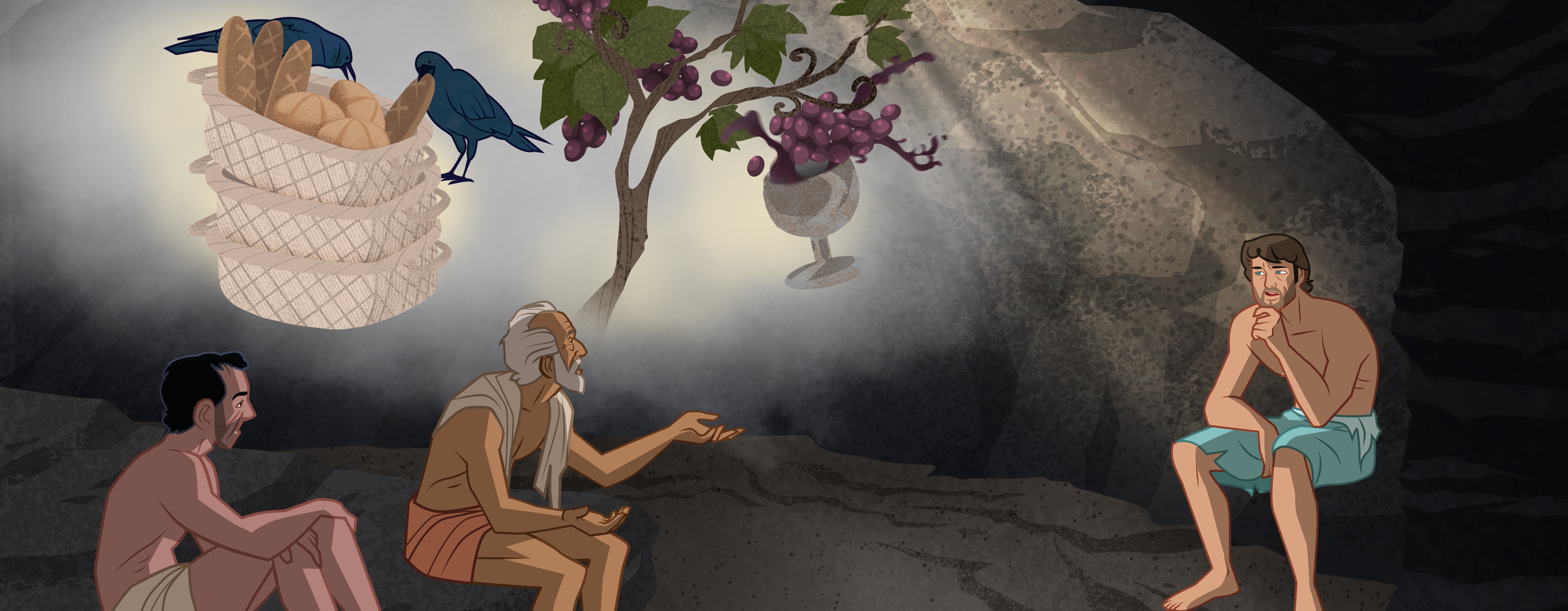
While in prison, Joseph interpreted the dreams of Pharaoh’s servants (see Genesis 40).
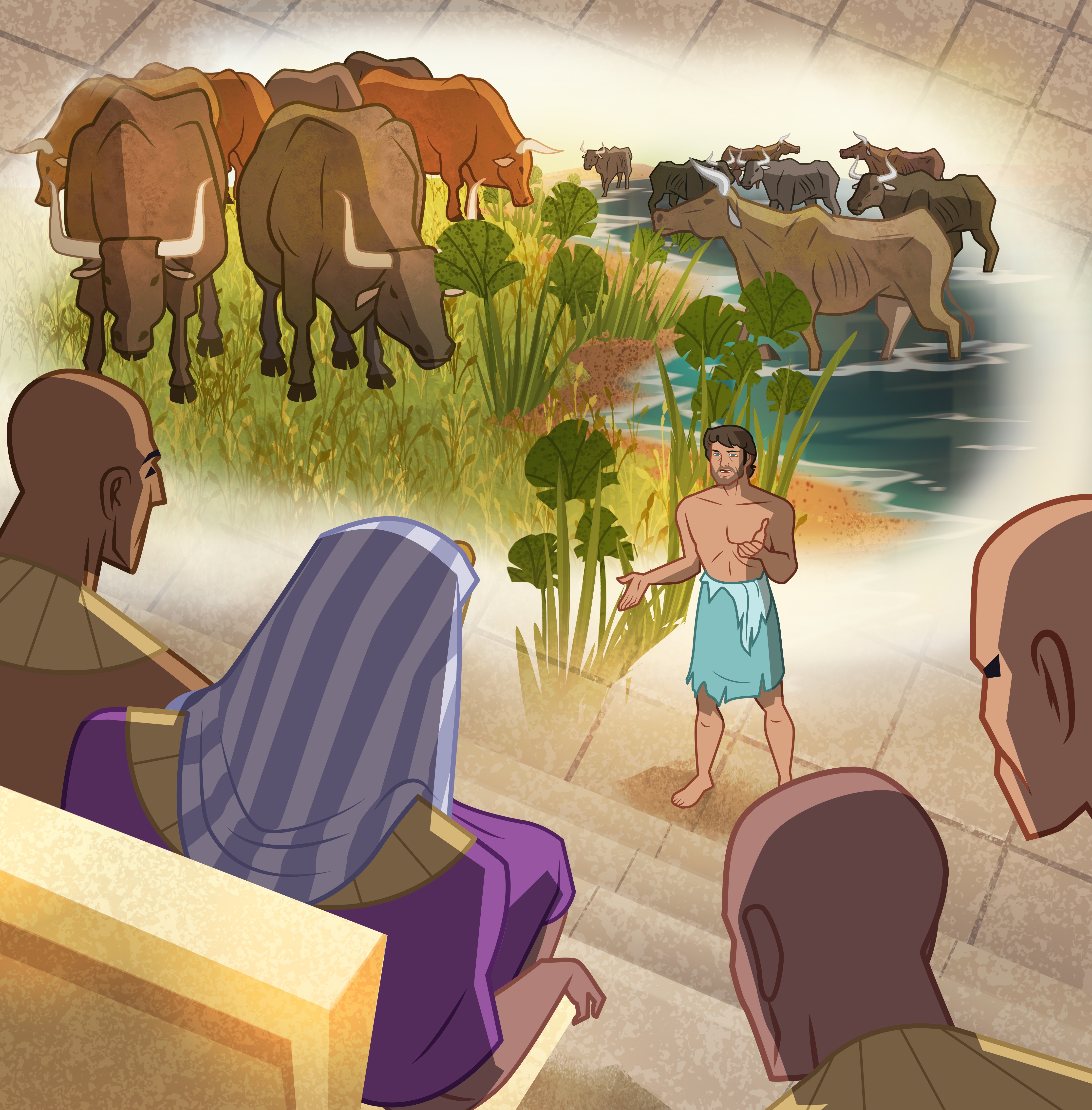
Two years later, Pharaoh had dreams that he could not understand. One of Pharaoh’s servants, who had been released from prison, told Pharaoh that Joseph could interpret dreams. Joseph taught Pharaoh that his dreams represented seven years of good harvests and seven years of famine that would soon come to Egypt (see Genesis 41).
Blessings from our trials
To help students identify lessons we can learn from Joseph’s experience, consider placing the students in small groups and providing or displaying the following instructions and questions.
Note: Lesson 34, “Genesis 39,” will focus on the law of chastity.
-
Read the following verses looking for how the Lord helped Joseph during his trials.
-
Genesis 39:1–6 (After Joseph was sold as a slave by his brothers)
-
Genesis 39:20–23 (After Joseph was cast into prison by Potiphar)
-
Genesis 41:14–16, 25–32 (After Joseph was finally released from prison)
-
-
Answer the following questions:
-
What truths can we learn from how Joseph responded to his challenges?
-
Why do you think Joseph had to wait so many years to receive the blessings he sought?
-
What evidence do you see of God helping Joseph in his trials?
-
How can Heavenly Father and Jesus Christ help us in similar ways when we go through hard times?
-
Walk around and listen as students discuss their answers with their groups. Thank them for sharing what they found. Remind students that the Holy Ghost can teach people different truths from the same scripture passages. The remainder of this lesson will focus on the truth that if we are faithful, God can use our trials to bless our lives and others.
Read Genesis 41:37–45, looking for evidence of how God used Joseph’s trials to bless him and others.
-
How did the Lord bless Joseph and others through his trials?
Ask questions that can help students learn about God’s power and mercy from the truths being taught. The following questions are examples that you might use. (For additional training on helping students learn about the Lord’s love, power, and mercy, see “Help learners recognize the Lord’s love, power, and mercy in their lives” in Teacher Development Skills.
-
What do you think Joseph might want you to know about the Lord after the experiences he went through?
-
How could trials help us strengthen our relationship with Heavenly Father and Jesus Christ?
Read Doctrine and Covenants 90:24 and the following statement by Elder Dieter F. Uchtdorf of the Quorum of the Twelve Apostles. Look for how they apply to Joseph and all who experience trials and challenges.
It is my witness that though at times we may feel buried by the trials of life or surrounded by emotional darkness, the love of God and the blessings of the restored gospel of Jesus Christ will bring something unimaginable to spring forth. (“God Will Do Something Unimaginable,” Ensign or Liahona, Nov. 2020, 52)
-
How do Doctrine and Covenants 90:24 and Elder Uchtdorf’s statement apply to Joseph? To you?
Modern-day examples
To prepare students to reflect on how Heavenly Father can bless us in our trials, consider showing “Faith Murray’s Story: Overcoming Adversity through Service” (4:52), available at ChurchofJesusChrist.org. Invite students to look for how the Lord used Faith’s challenges to bless her and others.
Think about experiences you, or others, have had when you have seen Heavenly Father use your trials to bless your life. Respond to at least two of the following questions in your study journal:
-
How have you seen Heavenly Father use trials to bless the lives of people you know? What have you learned from those people?
-
If someone were in the middle of a difficult trial right now, what would you want them to know about Heavenly Father and Jesus Christ?
-
What has helped you remain faithful to God during the trials you have experienced in your life?
Students could be invited to share their experiences along with their feelings for the Savior.